
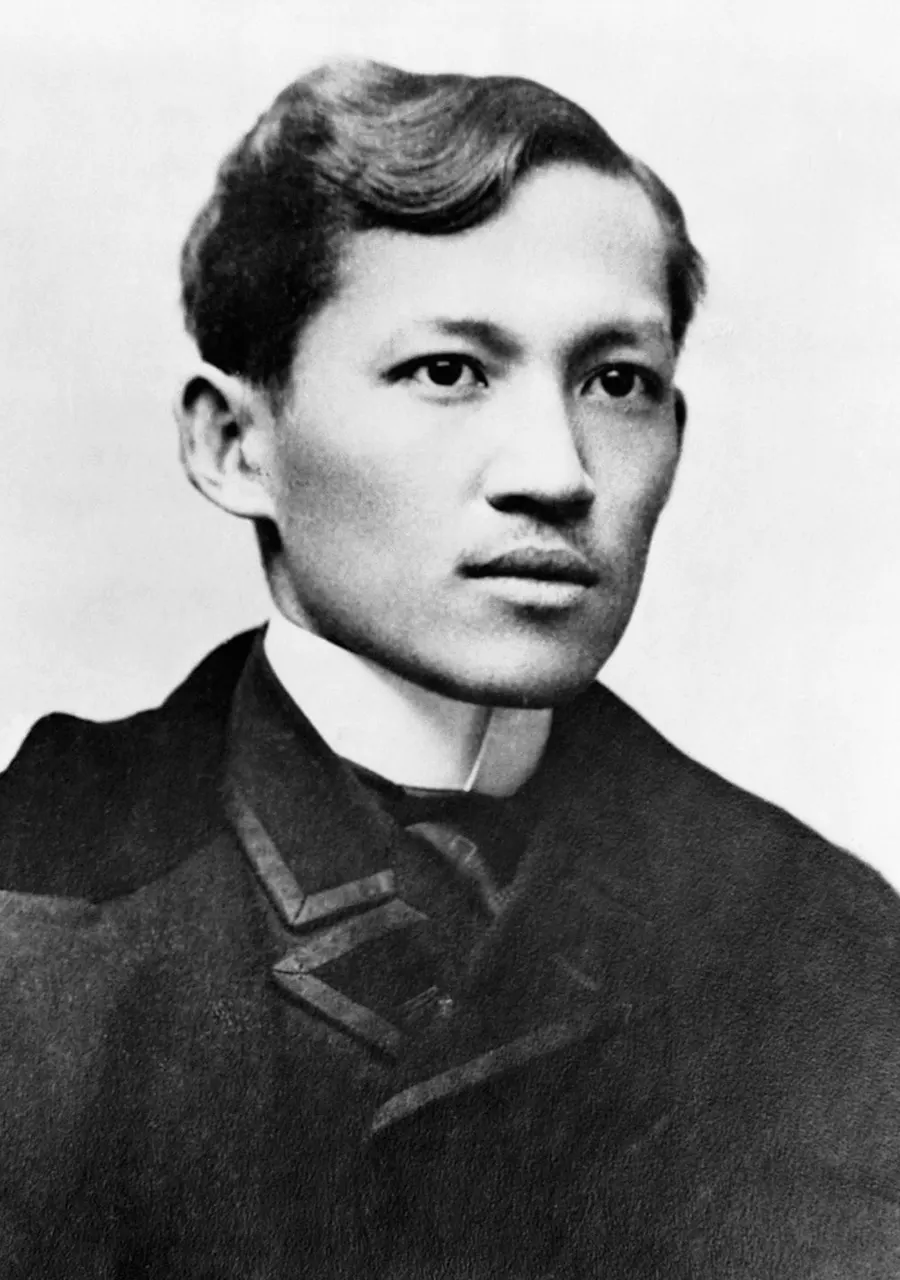
José Rizal is the national hero of the Philippines. A doctor, novelist and reformer, he used his words, not weapons, to show Filipinos their own worth and to call for justice under Spanish rule.
Rizal was born on June 19, 1861, in Calamba, Laguna. He was a curious child who grew into a gifted student, and he went on to study in Manila and across Europe, training as an eye doctor.
In Europe he wrote two novels, Noli Me Tángere (1887) and El Filibusterismo (1891). They showed the injustice ordinary Filipinos faced, and they spread hope and courage at home. The colonial authorities saw them as dangerous.
After returning home, he founded La Liga Filipina in 1892 and was soon exiled to Dapitan, in Mindanao. Even there he kept giving: he ran a small school and a clinic and served the community around him.
On December 30, 1896, Rizal was executed in Manila at Bagumbayan, the place now known as Rizal Park. His farewell poem, Mi Último Adiós, is still read and loved today.
Key moments
- June 19, 1861Born in Calamba, Laguna
- 1887Publishes Noli Me Tángere
- 1891Publishes El Filibusterismo
- 1892Founds La Liga Filipina; exiled to Dapitan
- December 30, 1896Executed in Manila; now honored on Rizal Day
Legacy
Rizal's life helped inspire the Philippine Revolution and a lasting sense of Filipino identity. December 30 is Rizal Day, a national holiday, and his name is on streets, schools and parks around the world.
What it means for you
Rizal reminds us that learning is a form of love for your people. Every time you read, ask questions or teach a younger cousin something about our history, you carry a little of his spirit forward.
Want to go deeper? José Rizal on Wikipedia