What is a balikbayan box?
A balikbayan box is a sturdy cardboard box, often about the size of a small washing machine, that Filipinos living abroad fill with gifts and send home. The word balikbayan joins balik (return) and bayan (homeland), so it means someone returning home. Read more about the word in our Salita entry on balikbayan.
Inside you might find chocolate, canned corned beef, shampoo, sneakers, clothes in five sizes, a rice cooker, school supplies, and at least one jar of something that should have been wrapped more carefully. Most boxes travel by sea through a freight forwarder and take several weeks to arrive. Some travel as checked luggage with a family member flying home.
To millions of families, the box is more than shipping. It is a love letter made of everyday things.
A short history
Filipinos have carried gifts home for as long as they have traveled. The box as we know it grew with the Filipino diaspora in the 1970s and 1980s, as large numbers of Filipinos went abroad to work and settle in the United States, the Middle East, and beyond.
The Philippine government encouraged visits home with a Balikbayan Program in the 1970s, and customs rules were changed to let overseas Filipinos send a limited value of personal goods home without duties or taxes. Freight companies saw the demand and began offering door-to-door sea shipping in standard box sizes. By the 1980s, the balikbayan box had become a fixture in Filipino communities from Los Angeles to Riyadh.
The tax-free allowance has changed over the years. The 2016 Customs Modernization and Tariff Act raised the duty-free ceiling for qualified senders well above the older limit set decades earlier. Because these rules can change again, always confirm the current limits before you pack (see the tips below).
What people usually pack
Every box reflects the family it is for, but many boxes include:
- Food from abroad. Chocolate, coffee, canned meats, snacks, and candy that relatives cannot easily buy at home.
- Toiletries. Lotion, shampoo, soap, toothpaste, and vitamins, often bought on sale over months.
- Clothes and shoes. New and gently used, usually for many relatives at once.
- Small appliances and household goods. Towels, bedsheets, kitchen tools, and sometimes a small appliance.
- School supplies and toys. Notebooks, backpacks, and gifts for the youngest cousins.
- Pasalubong. Little presents for neighbors and friends. Learn the word in our pasalubong entry.
Some families fill a box slowly over a whole year, adding a few things every payday, then ship it in time for Christmas. In many homes abroad, the half-full box in the corner is practically a member of the household.
Practical tips before you ship
These tips are general. Rules and limits change, so treat this as a starting checklist, not legal advice.
- Confirm the current rules. Check the latest duty-free limits, eligibility, and restricted items with the Philippine Bureau of Customs and with your freight forwarder before you pack. Allowances can depend on who is sending, how often, and what is inside.
- Use a reputable forwarder. Look for an accredited company with clear tracking, a physical address, and good reviews from people you trust. Ask your community; word of mouth is still the best tool. Our directory lists Filipino businesses in many cities.
- Know the restricted items. Common no-go items include firearms and ammunition, illegal drugs, counterfeit goods, and some food, medicine, and agricultural products that need clearance. Ask your forwarder for their current list.
- Avoid commercial quantities. Duty-free treatment is generally for personal and family use, not goods for resale. Twenty identical phones may raise questions.
- Keep an itemized list. Write a clear packing list with quantities and approximate values. Keep a copy and take photos as you pack.
- Pack to survive the sea. Use the forwarder's box, tape every seam, wrap liquids in plastic bags, and pad breakables with towels or clothes.
- Watch the weight. Sea boxes are usually priced by size, but very heavy boxes can be hard to handle and may have limits.
- Plan for time. Sea cargo can take several weeks, and longer around December. If you want it there by Christmas, ship by early autumn.
- Label inside and out. Put the recipient's name, address, and phone number on the box and on a sheet inside.
What the box means to OFW families
For many OFW (Overseas Filipino Worker) families, the balikbayan box carries what a phone call cannot. A parent working in another country may miss birthdays, graduations, and ordinary Tuesdays. The box says I thought of you while I was away, in shampoo and sneakers and the exact brand of chocolate a child mentioned months ago.
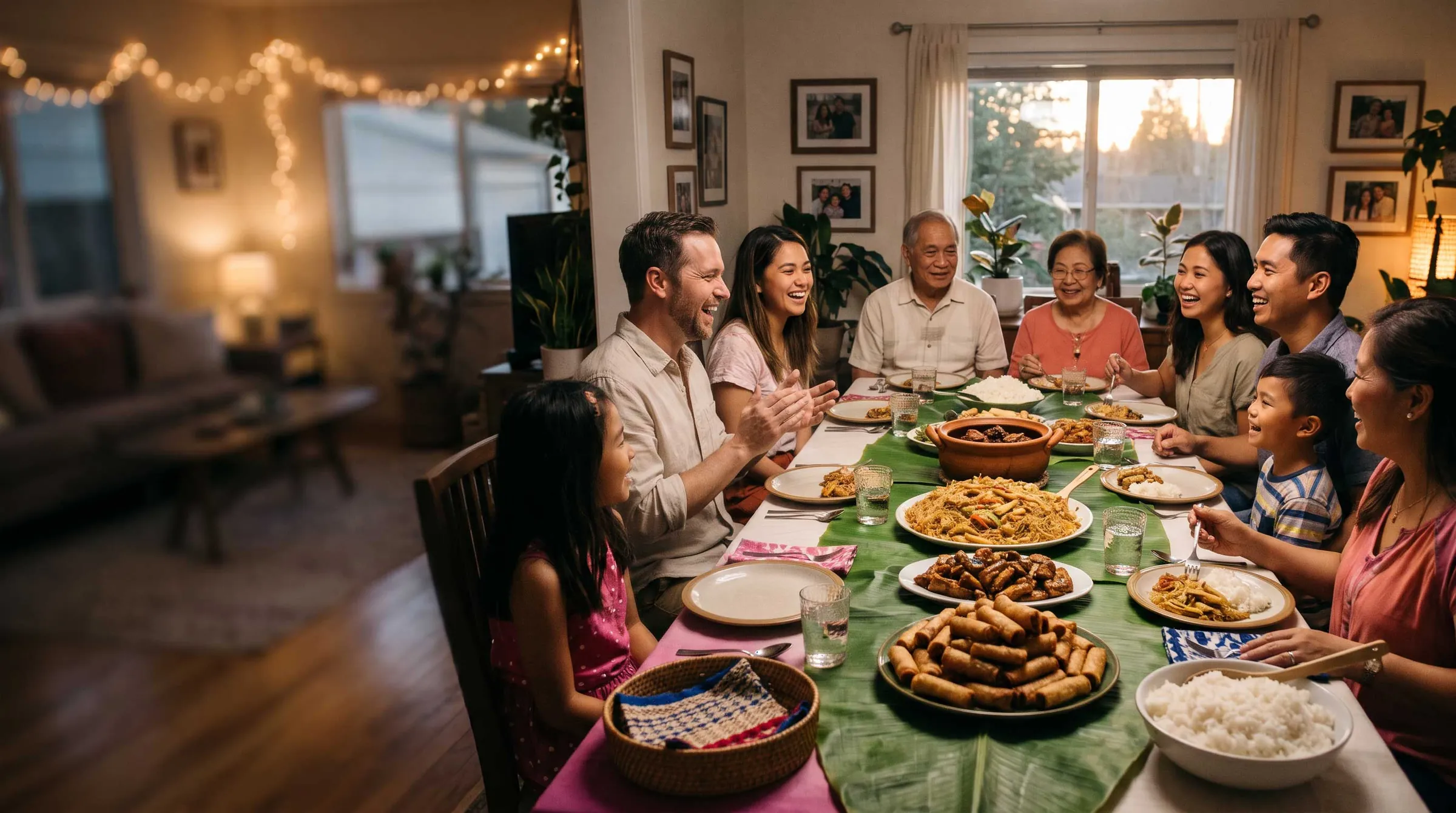
On the receiving end, opening the box is often an event. Relatives gather, the tape comes off, and everyone finds the item with their name written on it. The smell of the box itself, a mix of cardboard and soap and somewhere far away, is a memory many Filipinos carry into adulthood.
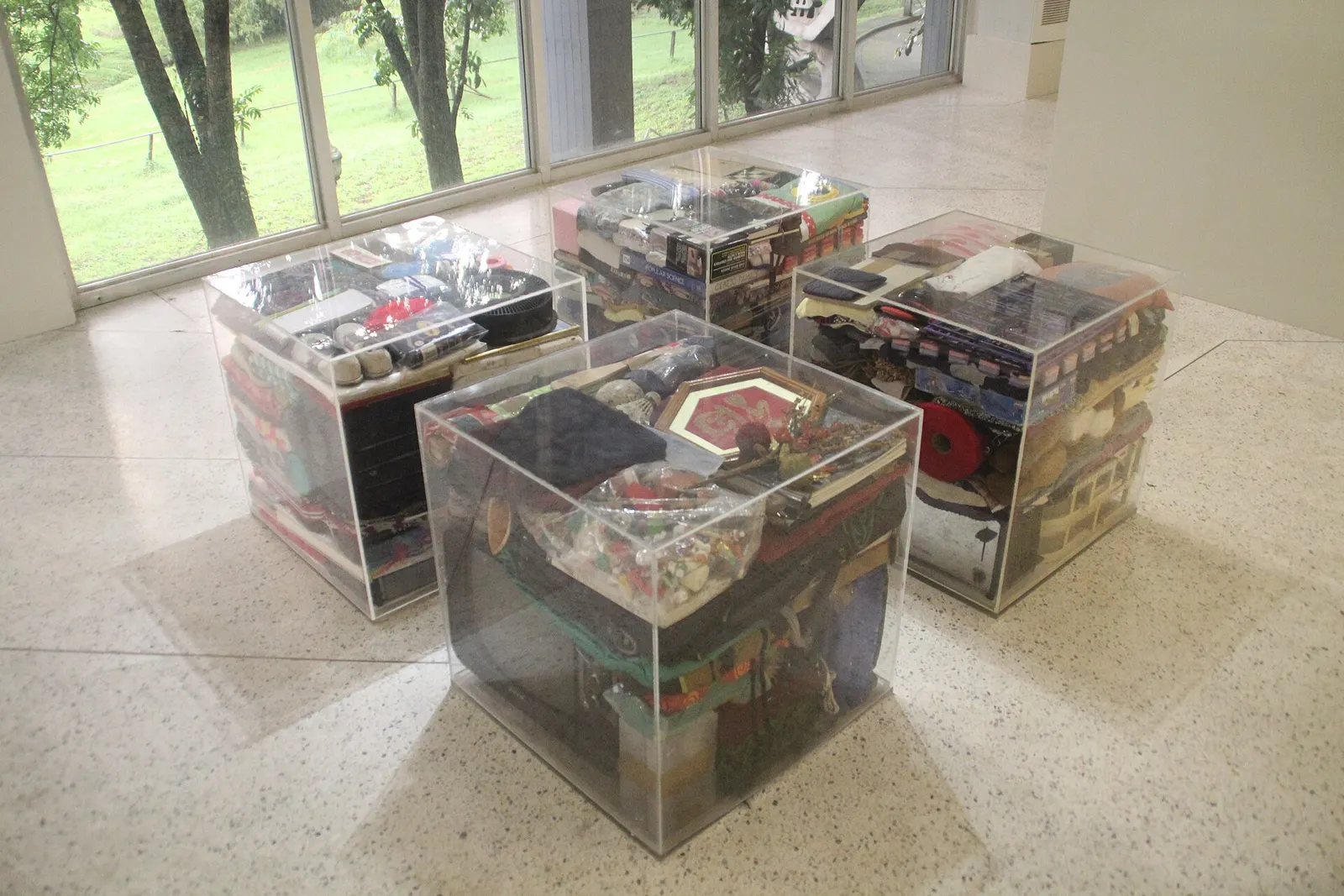
The box has also become a subject for Filipino artists and museum exhibits, who see it as a symbol of migration, sacrifice, and the way love travels across oceans. It reflects deep Filipino values of pamilya and of looking after one another.
If you grew up receiving boxes, or sending them, you are part of a story millions of families share.
Your next step
If you are packing a box this year, start a simple list today and check the current rules with your forwarder when you are ready. If you grew up with balikbayan boxes, consider asking a parent or grandparent what they remember about their first one. Then explore more Filipino words at your own pace.
Questions people ask
What does balikbayan mean?
Balikbayan combines the Filipino words balik (return) and bayan (homeland). It refers to a Filipino returning home, and by extension to the gift boxes they send or bring.
How long does a balikbayan box take to arrive?
Sea cargo commonly takes several weeks, often longer in the busy months before Christmas. Ask your forwarder for current estimates for your city and destination province.
Are balikbayan boxes tax-free?
Qualified senders can ship personal goods duty-free up to a set value, raised under the 2016 Customs Modernization and Tariff Act. Limits and eligibility can change, so confirm with the Bureau of Customs and your forwarder.
What can you not put in a balikbayan box?
Common restricted items include firearms, illegal drugs, counterfeit goods, commercial quantities, and some foods, medicines, and plants that need clearance. Your forwarder can give you their current list.
When did balikbayan boxes start?
Filipinos have long brought gifts home, but the shipped balikbayan box became widespread in the 1980s, as the overseas Filipino workforce grew and forwarders offered door-to-door sea shipping.
Photo: Irvin Parco Sto. Tomas / Wikimedia Commons, CC BY-SA 4.0